What Does Carpenter Ant Sawdust Mean in Montana?
A coarse pile beneath a wood surface can be carpenter ant frass, but the debris alone does not confirm an active nest. Look for small wood fragments mixed with insect parts, then check above the pile for a crack, void, or opening where ants may be pushing material out. Don’t sweep it away yet. Photograph the pile and note whether it returns.
Around Montana State University, seasonal activity can make a new pile seem like a one-off; watch for repeated deposits instead. Near the University of Montana, the same practical check applies: record where the pile appears and whether nearby wood feels damp or damaged. Our crew uses careful inspection to connect debris with a likely source before recommending Carpenter Ant Treatment.
What Does Carpenter Ant Frass Look Like?
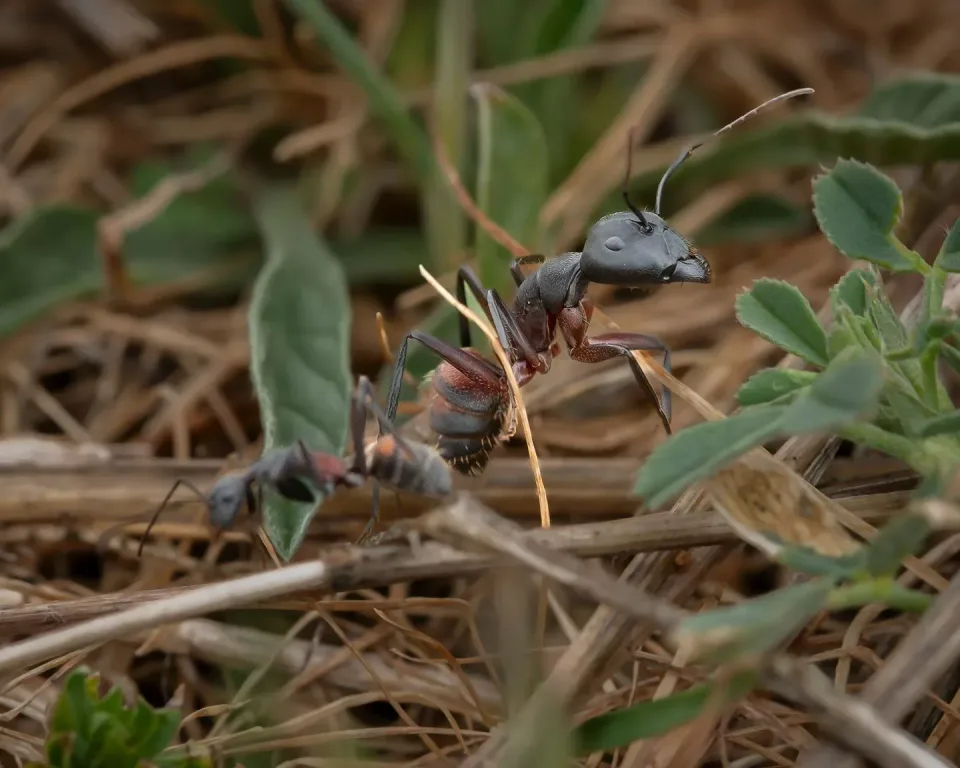
Carpenter ants leaving coarse sawdust piles may be ejecting wood shavings, insect parts, and other nest debris from a hidden space. Frass often gathers beneath a small opening or along a wall, window frame, sill, or beam.
The pieces can look uneven and fibrous rather than like a uniform mound of fine sawdust. Take a close photo before cleaning; location and texture can help narrow down the source.
A pile is a clue, not a diagnosis. In our inspections, a common missed step is checking directly above and behind the debris: ants may be using a tiny gap that is easy to overlook. If you see ants as well, note where they travel and whether the pile reappears after you clear it.
Can a Sawdust Pile Come From Something Else?
Yes. Plain wood dust from drilling, sanding, or repairs can resemble frass, and other insects or damage may also leave debris. Freshness and placement matter: a recurring pile beneath a concealed void is more concerning than dust beside recent work. Avoid treating the pile alone as proof of a colony.
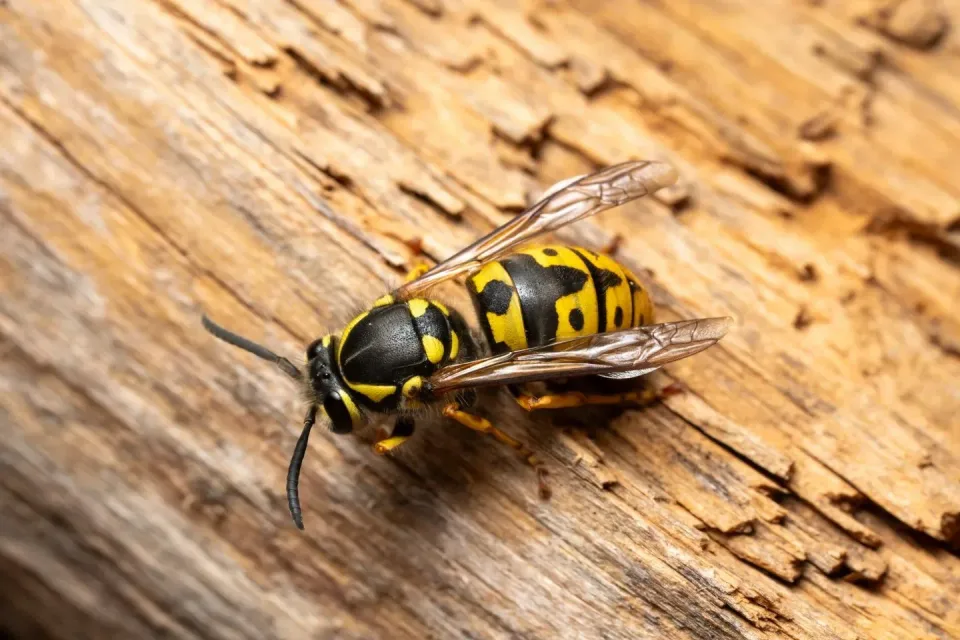
Cold snaps may send spiders and insects indoors, so a bug seen near the debris does not necessarily identify what made it. In the Helena area, a walk past Downtown Helena may include homes with different construction and repair histories; inspect the particular wood and opening rather than relying on neighborhood assumptions. If the evidence is unclear, save a sample in a sealed container and show it to an inspector.
What Do Montana’s Dry Summers Change?
Dry eastern Montana summers encourage pests seeking water, which can make leaks, damp wood, and moisture around a building worth checking alongside a sawdust pile. That does not mean moisture proves carpenter ants are present; it means a homeowner should look for plumbing drips, poor drainage, or wet wood that could support pest activity.
Our field notes treat the pile and its setting as one problem. Rural properties may have greater exposure to field rodents, so loose debris around an outbuilding may have more than one possible source. Don’t seal an opening or spray into a wall before identifying it. That can hide evidence, leave the source unresolved, or put product where it is not needed.
When Should You Call a Carpenter Ant Pro?
A single pile after a known wood project can be monitored: photograph it, clean the surface, and check again. Call for an inspection if fresh debris returns, ants keep appearing, or the pile is near a wall void or structural wood you cannot inspect safely. That is the DIY boundary we use in the field: simple observation is reasonable, but recurring evidence or inaccessible activity calls for a closer look.
At the Missoula Montana Airport, travelers see how much Montana depends on routes and timing; our crew similarly plans inspections around access and property needs rather than guessing from a photo alone. We inspect the deposit, nearby wood, and likely entry points, then explain what the evidence supports.
For more ant-trail clues, read Why Ants Keep Crossing Kitchen Counters in Billings, MT. You can also learn how our Carpenter Ant Treatment process starts with pest identification.
Which Frass Inspection Option Fits the Evidence?
A recurring pile near hidden wood calls for a different response than isolated dust after a repair; choose based on what you can verify.
| Option | Best for | Key detail |
|---|---|---|
| DIY observation | One pile after known repair work | Photograph it, clean the area, and check whether debris returns. |
| Integrated Pest Management inspection | Unclear or recurring piles | Site-specific identification checks the source before treatment is chosen. |
| Interior targeted treatment | Confirmed activity at an accessible indoor location | Addresses active sightings rather than treating every surface. |
| Exterior perimeter treatment | Prevention around exterior access points | Any treatment band must follow the product label’s directed width. |
A cold, snowy winter can increase indoor rodent pressure, another reason not to assume every pile comes from ants. Around Custer Gallatin National Forest, property conditions and access can differ from town lots, so inspection findings should guide the plan. In Downtown Bozeman or Downtown Missoula, ask the technician to connect the recommended option to the actual deposit and likely source.
How Do You Prepare for a Frass Inspection?
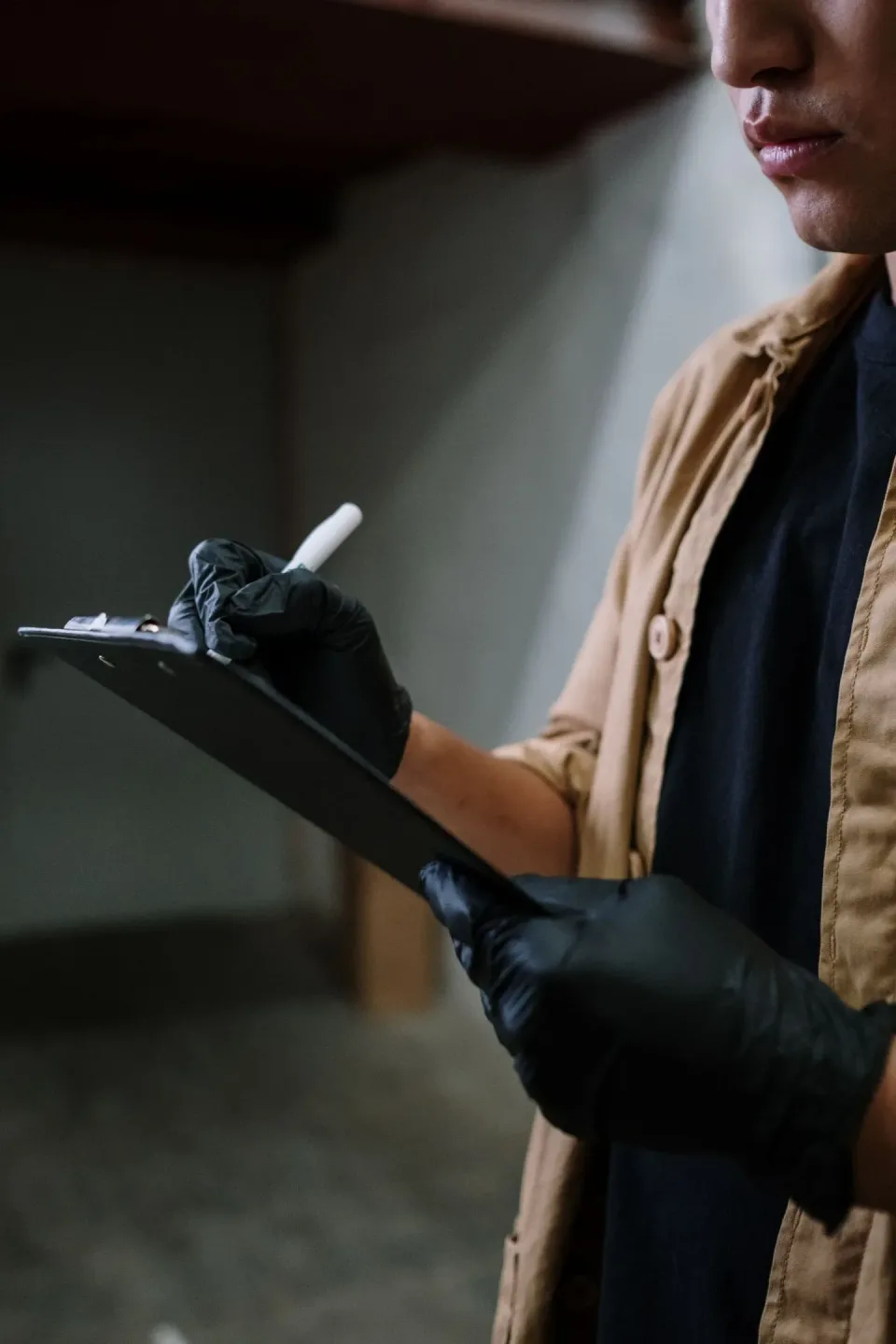
You find coarse debris below a window trim and are unsure whether to clean it. Photograph it first, leave nearby access clear, and share what you have observed when scheduling.
-
Record the location: Take a clear photo of the pile and the wood above it, and note when you first saw it.
-
Keep the evidence: Avoid vacuuming or discarding a small sample until you have asked whether the technician wants to see it.
-
Confirm access: Tell us whether the suspected area is in an attic, crawlspace, or garage so the inspection can be planned.
-
Prepare the room: Move stored items away from the wall or trim without disturbing the suspected opening.
-
Report concerns: Mention pets, children, fish tanks, allergies, or sensitive occupants before any treatment is considered.
-
Ask about follow-up: If activity is confirmed, ask what signs to monitor and when a return check makes sense.
A stop near Amtrak Havre Station or the Billings Depot illustrates how travel access differs across Montana; provide clear property directions when arranging a visit. If you are near Downtown Glendive, tell us which building areas are reachable so we can focus the inspection.
Ask for Help Identifying Carpenter Ant Frass
A coarse pile is worth documenting, especially if it returns in the same spot or sits below a concealed wood opening. Keep a photo, note nearby ant activity, and avoid sealing or treating the suspected void before its source is understood. That small pause can preserve useful evidence.
Our crew serves properties across Montana, including homes near Downtown Great Falls, where a focused inspection can help distinguish a real pest concern from ordinary debris. Near Flathead Lake, keep an eye on fresh deposits after cleaning; returning material is more useful evidence than a single old pile.
When snow gathers against doors and siding, check that debris is not simply being tracked or blown indoors. Contact Montana Pest Solutions to discuss what you found and arrange a practical inspection through Carpenter Ant Treatment.