Why Do Ants Keep Crossing Billings Kitchen Counters?
Ants keep crossing kitchen counters when a reliable food or water source and an accessible route bring them back. Wiping up the visible trail helps, but it may not remove the source or reveal where ants enter. In Billings, a trail near a window or cabinet deserves a careful check before you spray.
A route near Billings Logan International Airport can be easy to miss when groceries and travel bags are unloaded in a hurry; check packaging and the counter edges. In Downtown Billings, older commercial and residential spaces can have more seams and crevices to inspect, so note where the trail disappears.
Near Billings Depot, historic building details make it especially useful to follow the trail to its exit point rather than treat the whole counter. Start with a photo and a clean, dry surface.
Why does the same ant trail return?
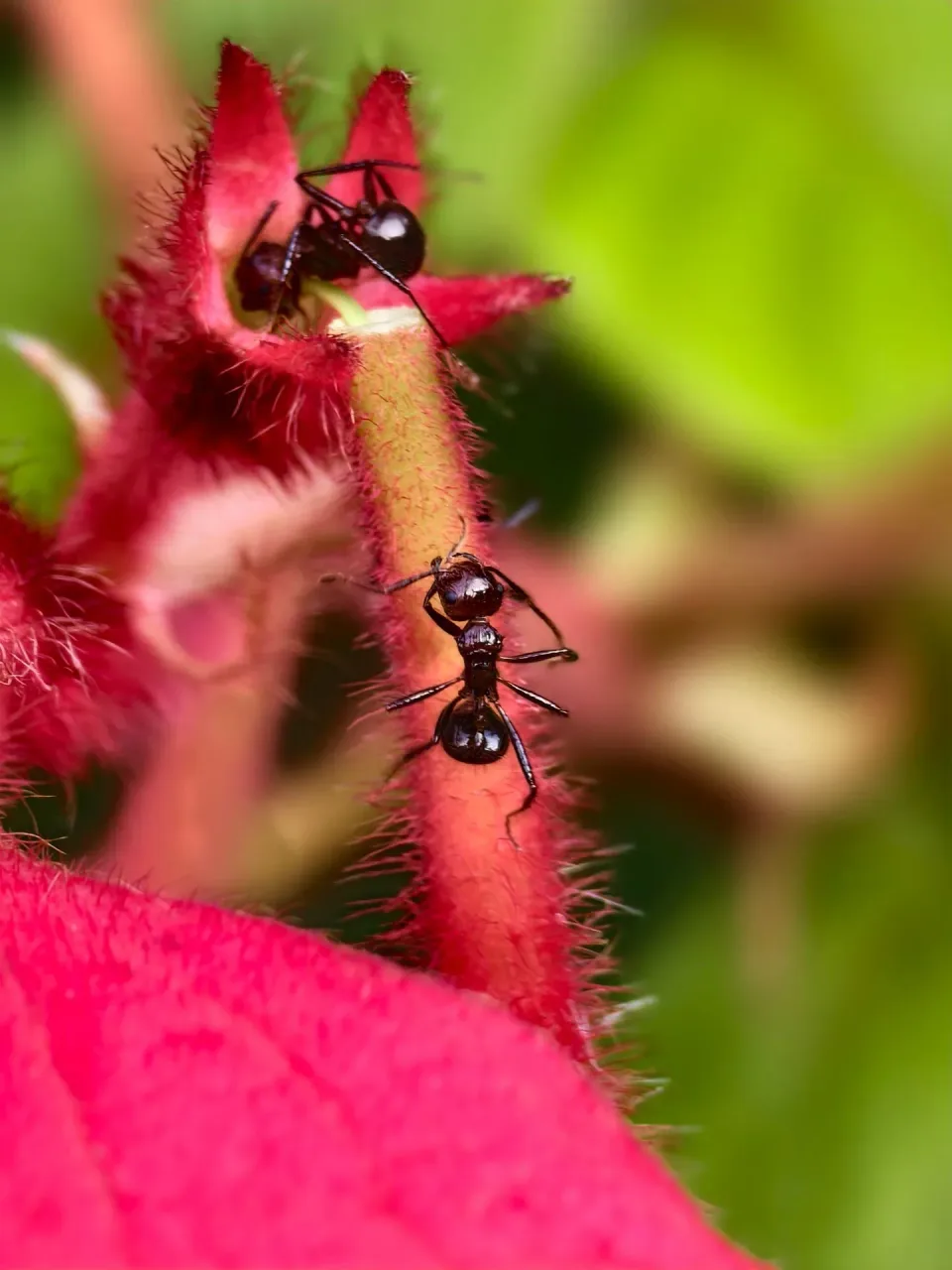
A line of ants across the counter is usually a route, not the whole problem. Ants follow scent trails between a food or water source and a route into the building; removing the visible insects may leave that path in use. Crumbs in a toaster tray, a sticky jar rim, or moisture near a sink can keep the kitchen attractive.
Look for where the line starts and where it vanishes. Check the back edge of counters, cabinet corners, plumbing openings, and window trim. Clean the route with soapy water, then dry the surface and store food in sealed containers. Do not spray randomly over a trail before identifying its source; that can scatter activity and make it harder to see where ants travel.
At Montana State University, a busy kitchen or shared break area can make crumbs and spills easy to overlook; the same small cleanup gap at home can keep a trail active. Near Amtrak Havre Station, people know how easily activity can be missed during a busy day, so take a clear photo before cleaning if you need help identifying the pattern. Lewis and Clark Caverns State Park is a reminder that Montana has many natural spaces, but an indoor trail still calls for checking the kitchen itself not assuming its source.
Could a late-summer trail point to food nearby?
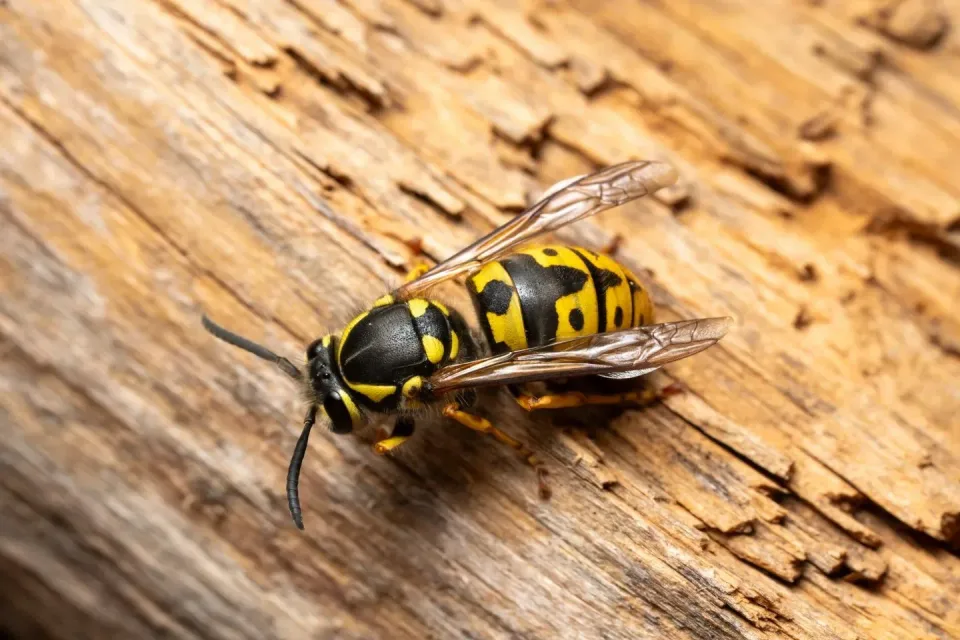
Yes, food left out can keep ants returning, particularly when late-summer yellow jacket activity also peaks near food and outdoor meals bring crumbs indoors. Check under appliances and along the counter’s back edge after meals; small spills are easy to miss. Keep pet food and sweet items covered, and rinse recyclable containers before storing them.
Downtown Miles City households and businesses can use the same practical check: inspect the places where food is prepared and stored, rather than treating every room. Downtown Glendive readers should also watch for a trail that shifts after cleaning; a changed route can help show where ants are entering. The goal is to find the source and access point, not just knock down the ants you see.
When is DIY cleanup enough, and when should you call?
If you see a few ants in one spot and can remove the food source, clean the trail, and stop activity, start with those steps and monitor the area. If ants keep returning after repeated cleanup, appear in several rooms, or disappear into a wall or cabinet gap, ask for a pest inspection. Persistent trails often mean the entry route or attractant has not been addressed.
That threshold matters. At Bozeman Yellowstone International Airport, travelers may be familiar with quick fixes between trips, but a kitchen trail that returns needs a closer look than a single wipe-down.
Our crew identifies the pest and traces activity before recommending a treatment. For another example of a symptom worth identifying carefully, see how to recognize carpenter ant sawdust in Montana.
What does a useful inspection check?
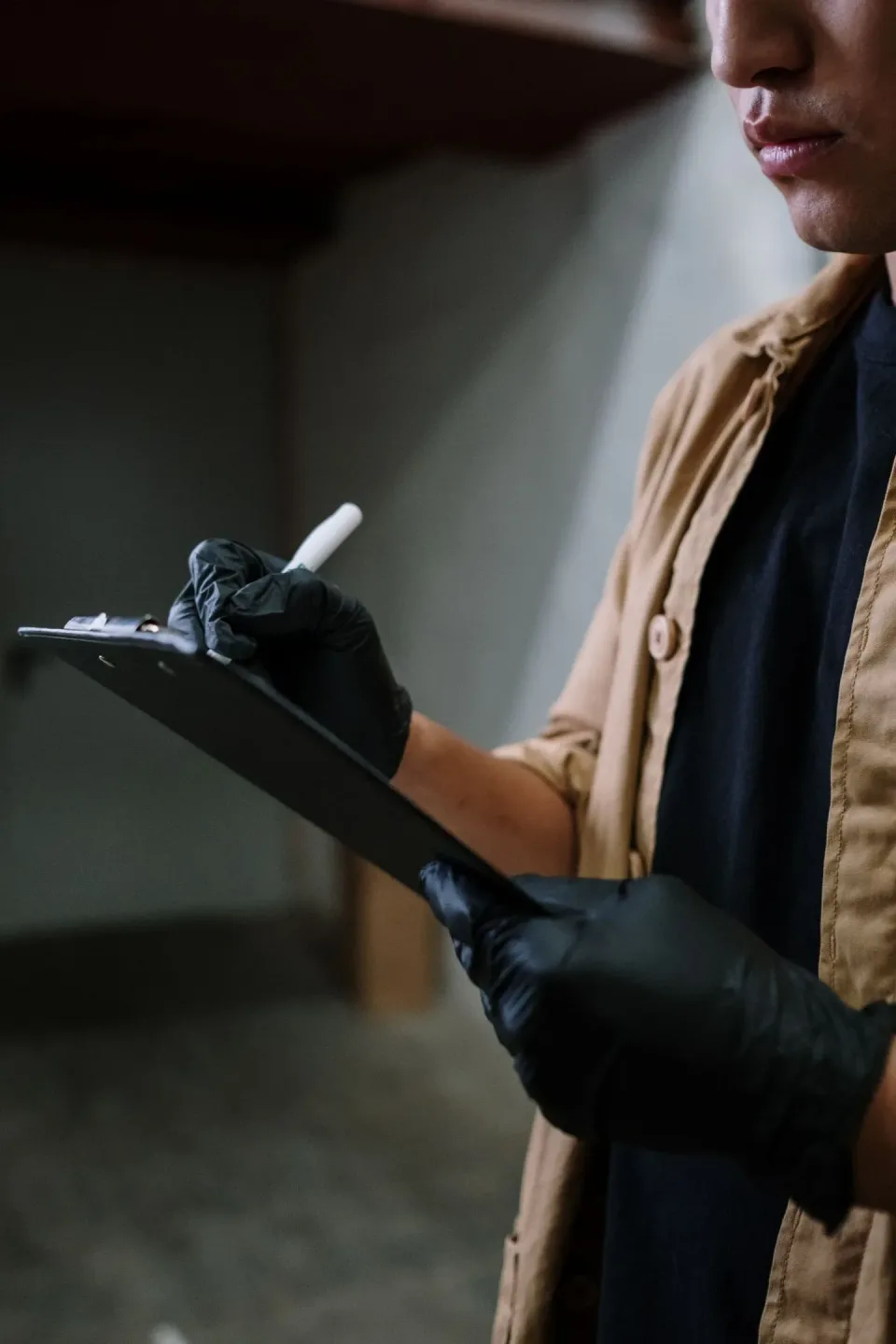
A useful inspection follows the ants instead of starting with a broad application. We check the active trail, nearby food and moisture, likely entry points, and places ants may shelter. The missed step is often looking behind or beneath an appliance, where crumbs can collect out of sight.
Integrated Pest Management (IPM) puts those observations first: identify the pest, reduce the attractants, and choose a treatment that fits the location. Montana Pest Solutions explains the plan and practical prevention steps before work begins.
If activity continues, keep a note of where and when you see ants; those details help focus the next inspection. Read more in the Montana Pest Solutions blog.
Which Ant Trail Option Fits a Billings Kitchen?
If ants return after you wipe the counter, the right next step depends on whether the source is clear and activity is limited. Cold snaps may send spiders and insects indoors, so new indoor sightings can prompt a closer inspection rather than an assumption that the kitchen is the only source. A professional can help sort out recurring activity.
| Option | Best for | Key detail |
|---|---|---|
| DIY cleanup | A short trail with an obvious food source | Remove food residue, clean the route, and monitor |
| Interior targeted treatment | Ants repeatedly crossing a counter | Focuses on active sightings and nearby access points |
| Exterior perimeter treatment | Suspected entry from outdoors | An exterior approach; treatment follows product directions |
| IPM inspection | Recurring trails with an unclear source | Checks pest identity, food, moisture, and entry routes |
Heavy rain may disturb nests and displace insects, making a sudden indoor sighting worth tracking before choosing an option. Around Custer Gallatin National Forest, changing outdoor conditions are a useful reminder to inspect the home’s actual entry points rather than guess. Downtown Kalispell and Downtown Missoula readers can use the same decision rule: ask what the inspection found and why the proposed treatment fits.
How Do You Prepare for Ant Treatment in Billings?
Before a visit, keep the route visible and make the kitchen accessible. A clear view helps the technician distinguish an active trail from old activity.
-
Record sightings: Note when ants appear and where the line begins or disappears, and take a photo if practical.
-
Clear treatment areas: Move items from beneath sinks and around appliances so inspection can reach likely routes.
-
Secure food and pets: Put food away and follow the technician’s instructions for keeping pets clear of treatment areas.
-
Share property details: Point out the counter trail, likely entry gaps, and any rooms where activity has spread.
-
Follow written directions: Use the service instructions for any treated area and ask what to do if ants remain.
At Moss Mansion, visitors can appreciate careful attention to a historic property; at home, that same habit means pointing out gaps and trim instead of overlooking them. Cold, snowy winters increase indoor rodent pressure, so do not confuse a separate mouse issue with the ant trail. The Museum of the Rockies offers a reminder to observe details note the route, not just the number of ants.
Get a Clear Answer About Billings Counter Ants
A counter trail often points to a food source, an entry route, or both. Clean the surface, secure food, and watch where ants return; repeated activity is a good reason to request an inspection. Dry eastern Montana summers can encourage pests to seek water, so check for small leaks and damp spots around the sink as well as crumbs.
In Downtown Bozeman or Downtown Whitefish, seasonal routines can vary, but a careful inspection still starts with the active trail. Gates of the Mountains and Little Bighorn Battlefield National Monument are familiar reminders of Montana’s varied landscape; for a kitchen problem, focus on the conditions inside your own property.
If ants keep crossing your counter, contact Montana Pest Solutions for a clear inspection and practical next step. See our Ant Control service to get started.