Why Shouldn’t You Seal a Yellow Jacket Wall Opening?
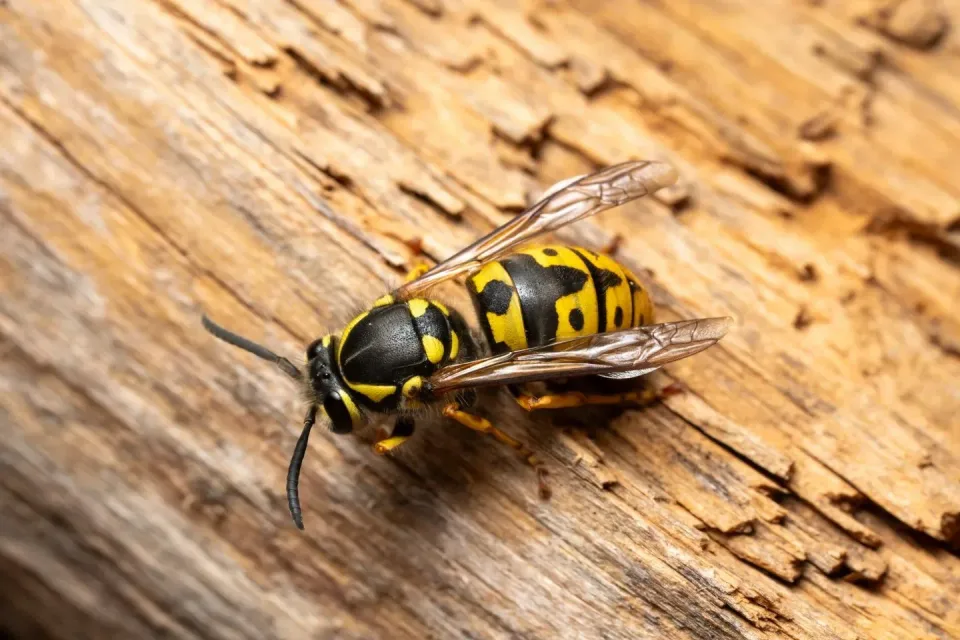
Yellow jackets entering a wall or eave opening should not be handled by plugging the visible hole. Sealing it can trap insects inside or redirect them through gaps into occupied rooms, so keep clear and arrange an inspection instead.
Late-summer yellow jacket activity can peak near food; outdoor meals and uncovered bins may draw workers close to the house, making an active entry easier to notice. In our work around Amtrak Whitefish Station, we know a small exterior opening can be easy to overlook during everyday property checks.
Bozeman Yellowstone International Airport is another familiar Montana landmark, and homes across the state face the same practical concern: identify where insects travel before changing the opening. We inspect the entry route and explain the next step.
Why can a wall nest become an indoor problem?
A steady stream of yellow jackets disappearing into siding, trim, or an eave points to a concealed route worth treating carefully. Don’t plug it. A wall cavity may connect to interior voids, and sealing the outside entrance can leave workers looking for another way out. That can mean insects emerging indoors instead of outside.
We have seen homeowners fill a hole with caulk or foam before confirming what is behind it. That step can make inspection and treatment harder, and it does not remove the nest.
Heavy rain may disturb nests and displace insects, so new activity around a wall after a storm deserves attention rather than a quick patch. In neighborhoods near Downtown Billings, the useful first move is to watch from a safe distance and note where workers enter.
Our inspection focuses on the opening, nearby trim, and likely travel path before we recommend treatment.
What should you do after spring snowmelt?
Spring snowmelt may expose foundation gaps, including small spaces at siding transitions or around utility penetrations. Check the exterior from a safe distance for repeated insect traffic, but do not probe the opening or place your face near it. A visible hole does not show how far the nest extends.
In Downtown Havre, a property owner who sees insects using an opening should note the location and time of activity for the technician. Near Downtown Kalispell, the same observation can help distinguish a regular flight path from a one-off insect.
Standing water after storms can support mosquito breeding, so remove accessible containers that hold water; this is a separate yard issue, not a reason to seal a yellow jacket entrance. We use pest identification and a careful site inspection to decide whether nest treatment, follow-up, or a later repair is appropriate.
When should you call instead of trying DIY?
If yellow jackets repeatedly enter a wall or eave, or if anyone in the home has a serious sting allergy, keep people away and call a professional. Do not spray blindly into the hole, cut open the wall, or seal it. Those actions can expose you to defensive insects without showing whether the nest was reached.
A small, isolated insect outdoors may simply be observed from a distance. An active opening in the structure is different: treatment depends on access, nest location, and a plan for the entry point after activity is controlled.
We explain the inspection findings before recommending work. For more background on our approach, read about Yellow Jacket Nest Removal, or browse the Montana Pest Solutions Blog for related home pest guidance.
Why does Montana weather change the inspection?
Temperature and water conditions can change what you see around a building. Near Glacier National Park, heavy rain may move insects from disturbed areas, so fresh activity near a wall deserves a cautious check rather than an assumption that the nest is new. Around the Montana State Capitol, spring snowmelt can reveal foundation gaps that were hidden through winter; inspect the exterior once the ground is accessible.
Weather can also make a yard seem busy when the wall opening is the more important clue. Do not use general insect activity as proof of a nest location. We trace the repeated entry and explain whether the opening should remain undisturbed until treatment is completed. The timing matters.
Which Wall-Nest Response Fits Your Situation?
The right choice depends on whether insects are using a structure opening or you are managing a separate, broader pest concern.
| Option | Best for | Key detail |
|---|---|---|
| DIY observation | A single insect outdoors with no repeated entry | Keep distance; do not plug an active wall opening. |
| Integrated Pest Management inspection | Confirming the pest and tracing an entry route | Site-specific inspection helps avoid treating the wrong spot. |
| Professional nest treatment | Repeated yellow jacket traffic at siding or eaves | Nest location and access shape the treatment plan. |
| Interior targeted treatment | Insects appearing inside near a suspected wall route | A technician needs to identify the entry path first. |
Cold snaps may send spiders and insects indoors, but that does not confirm a yellow jacket nest; identify the pest before choosing a response. Near Custer Gallatin National Forest, homes may have different exterior access challenges, so share where you see insects entering rather than guessing at the nest location.
How Do You Prepare for a Wall-Nest Inspection?
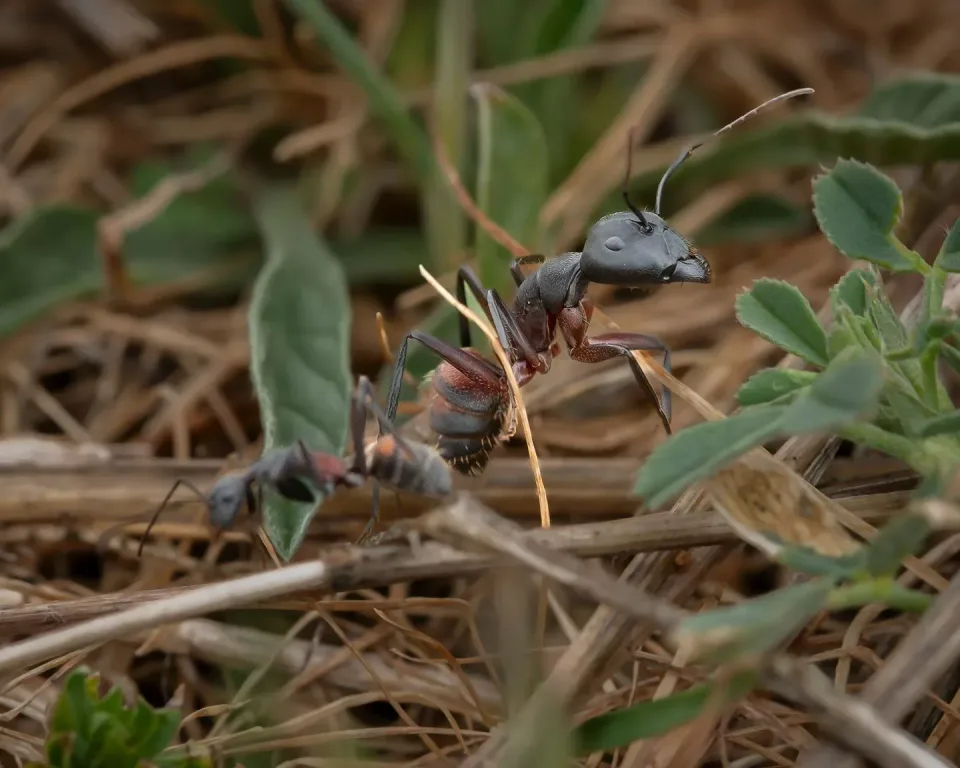
If yellow jackets are disappearing into an eave, leave the opening alone and record what you observe from a safe distance. Keep children and pets away. In warm spells, ant and wasp activity can increase; that seasonal change is a reason to report repeated traffic promptly, not to spray or seal the gap yourself.
-
Confirm the sighting: Note the wall or eave location and when you see insects entering.
-
Keep the route clear: Avoid ladders, tools, caulk, and sprays near the opening.
-
Report access details: Tell the technician whether the area is reachable from ground level or requires attic or crawlspace access.
-
Secure people and pets: Keep them away from the suspected flight path while the site is assessed.
-
Discuss sensitivities: Report sting allergies or other concerns before treatment is planned.
-
Follow the label: After any application, follow the product-label reentry instructions provided for that treatment.
Near Downtown Great Falls, changing seasonal activity can make an opening easier to notice; around Flathead Lake, outdoor use may put people near eaves. Ask what access is needed before the visit.
Get a Safe Plan for Yellow Jackets in Your Wall
If yellow jackets keep entering a wall or eave, leave the opening unsealed and arrange an inspection. Freeze-thaw cycles widen cracks around foundations, so a gap you did not notice before may become a route worth checking.
Windblown snow can accumulate against doors and siding, making exterior openings harder to spot until conditions change. Around Billings Logan International Airport and Downtown Butte, Montana properties share the need for careful inspection rather than guesswork.
Temperature swings can complicate exterior treatment timing, so we assess the site and explain the practical next step. Contact Montana Pest Solutions at (877) 729-2528 to discuss the activity and arrange a Yellow Jacket Nest Removal inspection.