What to Do About Mouse Droppings in Cupboards
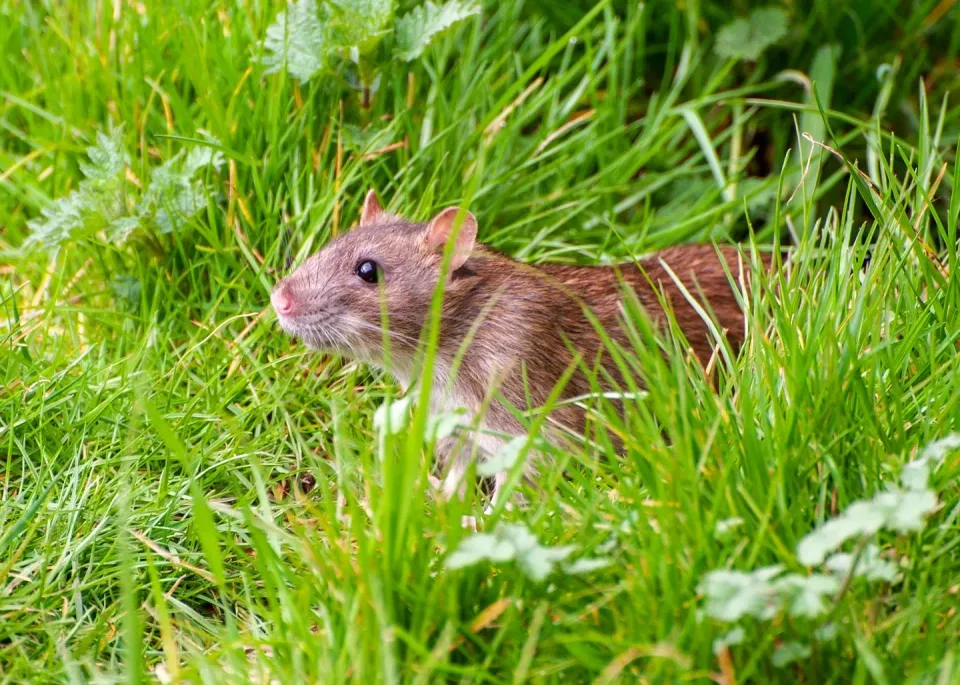
Mouse droppings in kitchen cupboards should be handled carefully: keep food and utensils away, then wet the droppings with disinfectant before wiping them up. Don’t sweep or vacuum dry droppings; that can put contaminated dust into the air. Droppings are often about 1/8–1/4 inch long, but size alone does not confirm what animal left them.
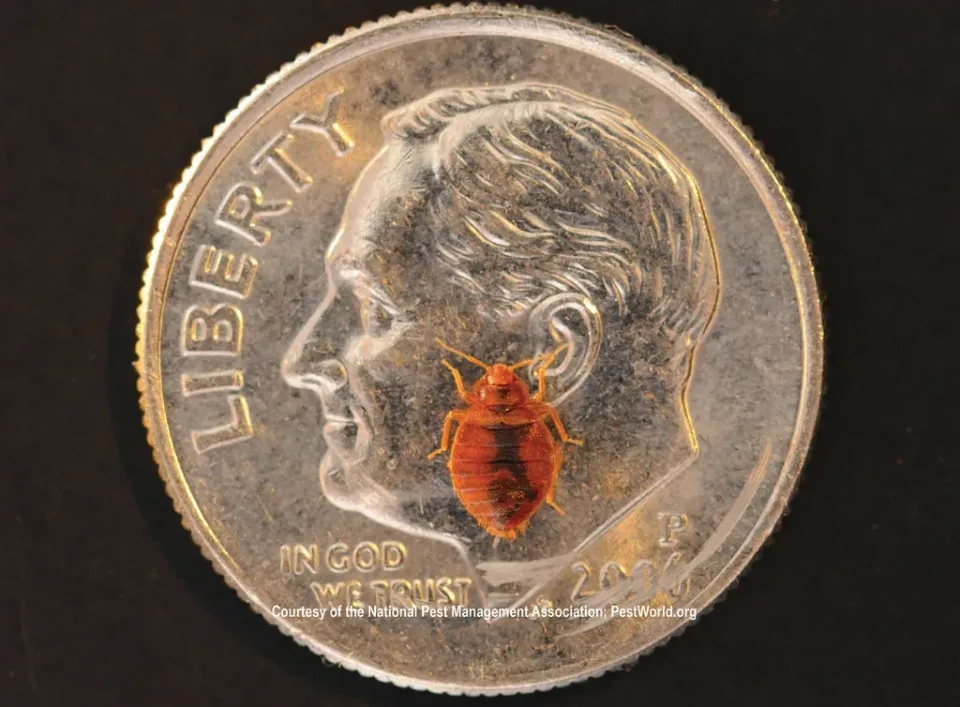
A customer who says, “I just want to nip it in the bud,” is asking for early identification and entry checks before activity spreads. If you need an inspection and quote for bed bug heat treatment, that is a separate concern; describe the actual pest signs so the visit addresses the right problem.
Our crew serves Montana, including homes near Billings Logan International Airport, and can inspect cupboard edges and nearby gaps.
How should you clean droppings from cupboard shelves?
Mouse droppings inside kitchen cupboards call for damp cleanup, not dry sweeping. Remove food, dishes, and shelf liner from the affected area, then use a disinfectant according to its directions and allow the required contact time before wiping.
Wear disposable gloves, bag the waste and used towels, and wash your hands afterward. Don’t vacuum the droppings.
Check packaged food nearby; discard items with gnaw marks, damaged packaging, or signs of contamination. Clean the shelf and let it dry before putting items back.
A missed spot behind the shelf lip can leave waste where stored goods touch, so inspect corners and seams carefully.
What do droppings reveal about cupboard entry?
Droppings show where a mouse has been, not necessarily where it entered. Inspect the cabinet back, plumbing penetrations beneath the sink, and the wall-floor junction for gaps, rub marks, or shredded material.
A coin-sized hole is not required: mice can squeeze through openings around 1/4 inch wide. Seal appropriate gaps with durable materials suited to the location, and avoid relying on foam alone where rodents can chew through it.
In Montana, cold, snowy winters increase indoor rodent pressure, so check pantry and sink areas before activity becomes routine. Freeze-thaw cycles can widen foundation cracks; a gap that looked minor in fall may need attention after winter.
When should you call a professional?
One small, isolated sign with no fresh droppings may be manageable with careful cleanup and monitoring. Call for an inspection if new droppings return, you hear scratching, find gnawing, or cannot locate a safe route to close.
Our field checks focus on evidence and access points rather than treating every cupboard as the source. In Downtown Bozeman or Downtown Missoula, the same practical first step applies: show the technician where droppings appeared and whether they returned after cleaning.
Dry eastern Montana summers can encourage pests to seek water, so inspect around plumbing and stored food as well as the cabinet itself. We explain the findings and next steps before treatment.
How does a Montana inspection track mouse activity?
We look beyond the visible mess. A cupboard may sit beside a pipe opening or wall void that gives a mouse cover between feeding trips, and activity can shift between rooms.
Homes near Custer Gallatin National Forest may have different exterior exposure than a tightly built residence in town, so we assess the property rather than assume one entry route. Downtown Whitefish customers can also mention travel or access constraints around Amtrak Whitefish Station when arranging a visit.
We document evidence, check likely harborages, and recommend exclusion where a gap is confirmed. A control plan that ignores the entry route can leave the cupboard clean while mouse activity continues elsewhere.
Which Cupboard Cleanup and Mouse-Control Option Fits?
Choose based on whether you have one old trace or recurring signs that point to continuing access. Cold snaps may send spiders and insects indoors, but fresh mouse droppings still call for rodent-specific identification rather than a general spray. Around Little Bighorn Battlefield National Monument or Makoshika State Park, household conditions and access differ; use the evidence in your home to guide the decision.
| Option | Best for | Key detail |
|---|---|---|
| Damp DIY cleanup | A small, isolated deposit | Wet and wipe; never dry-sweep |
| Integrated Pest Management inspection | Recurring cupboard signs | Links evidence, access, and monitoring |
| Rodent monitoring and exclusion | Confirmed entry route | Mouse gaps can be as small as 1/4 inch |
| Scheduled preventive service | Repeated activity concerns | Inspection can track signs over time |
| Rodenticide bait blocks | Professionally assessed situations | Placement must account for household access and safety |
How Do You Prepare for a Cupboard Inspection?
A clear view helps the technician connect droppings to nearby access points. Keep a note of where you found them and whether they returned after cleaning.
If scheduling from Downtown Glendive or Downtown Miles City, share access details in advance; longer travel planning can affect how you coordinate the visit. Amtrak Havre Station and Bighorn Canyon National Recreation Area are useful regional reference points, but the property’s exact location and access are what matter for arranging service.
-
Record the signs: Note cupboard, shelf, and date; photograph droppings without disturbing them.
-
Protect stored items: Move food and dishes from the affected cupboard and keep them away from waste.
-
Clear inspection access: Empty the cabinet and make the area beneath the sink reachable.
-
Share entry clues: Tell the technician about pipe gaps, scratching, or fresh droppings elsewhere.
-
Plan household access: Secure pets and arrange attic, crawlspace, or garage access if relevant.
Ask what preparation is needed when booking, and keep children and pets away from any labeled treatment area.
When Should You Get Help With Cupboard Droppings?
Clean visible mouse droppings with a damp method, protect food, and look for the access point before returning items to the cupboard. If the signs return, an inspection can help distinguish an isolated visit from continuing activity.
Heavy rain may disturb nests and displace insects, but that is not a reason to treat unidentified cupboard debris as mouse evidence; report what you actually saw. In Downtown Billings or Downtown Havre, we can review the signs and explain a practical next step.
Montana State Capitol is another recognizable point in our statewide service context. Contact Montana Pest Solutions at (877) 729-2528 to discuss an inspection, or learn about Mouse Extermination.