Could Bed Bug Bites After a Hotel Stay Mean Bed Bugs Came Home?
Bed bug bites after overnight stays are a reason to inspect your belongings, not proof that bed bugs came home. Before unpacking, check luggage seams, clothing folds, and the outside of your bags, then keep them away from beds and upholstered furniture. Take your time.
A bite pattern alone cannot confirm bed bugs; look for an insect or other physical evidence before deciding what to do. For travelers arriving through Amtrak Whitefish Station, a quick check before bags enter the bedroom creates a useful boundary between travel gear and sleeping areas.
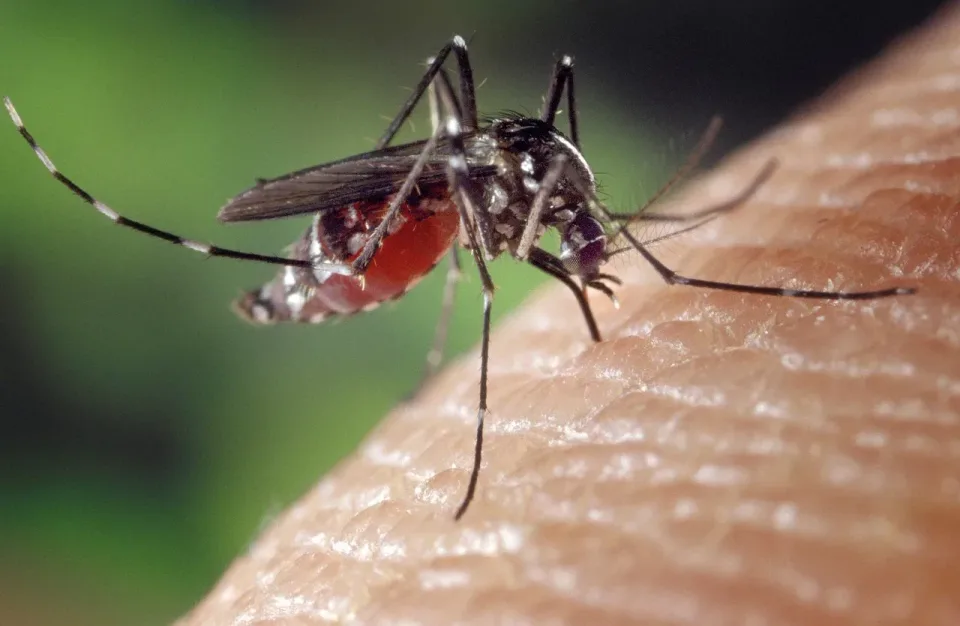
In Montana, standing water left after storms can support mosquito breeding, so not every itchy bite after a trip points to bed bugs. Short, warm summers also bring seasonal mosquito activity; consider where and when bites appeared, while checking luggage carefully. If you find suspicious evidence, isolate the bag and avoid carrying its contents through the home.
What should you inspect before unpacking?
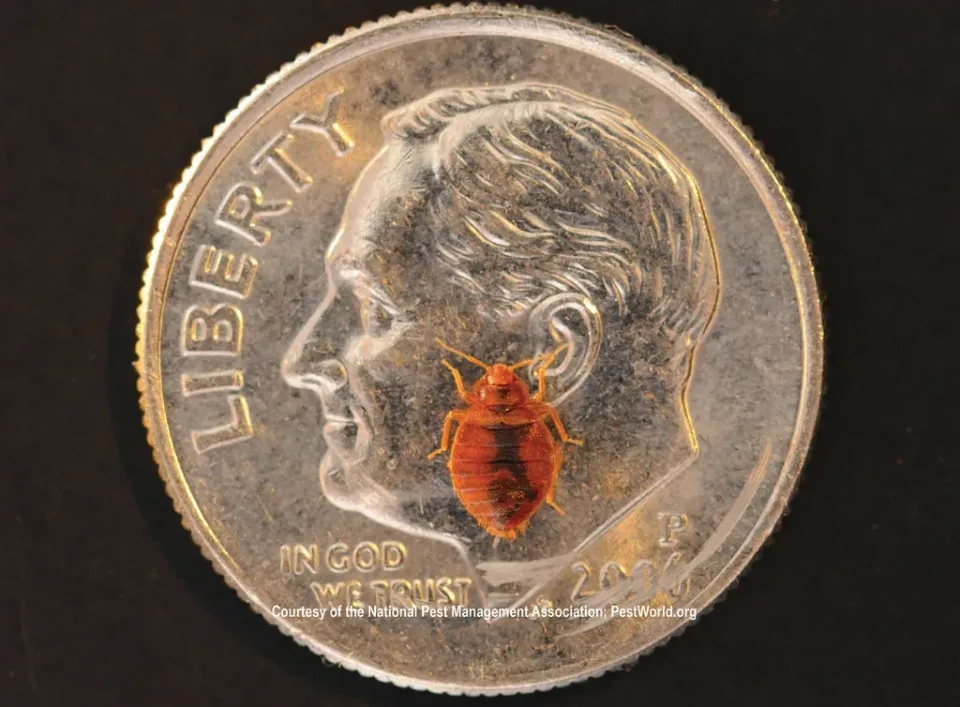
Inspect the luggage before placing it on a bed or carpet. Set bags on a hard surface and use a flashlight to examine seams, zipper tracks, pockets, and folds. Check clothing as you remove it, especially cuffs and packed items that sat against the bag lining. Look for live insects, shed skins, or small dark spotting; a bite by itself is not enough to identify bed bugs.
At home, keep the suitcase closed and away from bedrooms until you finish. Travelers returning through Billings Logan International Airport can make this a first-stop routine rather than spreading bags across the house.
Downtown Billings visitors staying in lodging should use the same check regardless of how short the trip was. We recommend inspecting the bag where it can be examined without transferring its contents to furniture.
Do bites alone confirm bed bugs?
No. Skin reactions vary, and marks that appear after a hotel stay do not establish the cause or show where exposure happened. Confirm with physical evidence when possible. If you spot an insect, capture it in a sealed container or take a clear photograph; do not crush it and discard the remains before identification.
Bed bugs hide in narrow resting places, so check seams and folds rather than only the broad surfaces of luggage. If you stayed near Glacier National Park, the destination itself does not tell you whether a room had bed bugs; focus on what you can inspect and document.
Heavy rain may disturb nests and displace insects outdoors, but that weather fact does not explain bites acquired indoors. Keep those possibilities separate instead of treating every bite as the same pest problem.
When should you stop DIY checks and call a pro?
A careful inspection is a sensible first step when you have bites but find no insect or other evidence. Call for professional guidance if you find a suspected bed bug, repeated evidence in luggage or sleeping areas, or signs that appear after belongings have been brought inside. Avoid applying household pesticides to suitcases, bedding, or skin; a product not meant for that surface can create a separate safety problem without resolving the source.
Our inspection begins with pest identification and the locations where evidence appeared. Spring snowmelt may expose foundation gaps around Montana homes, but that is not proof of a bed bug entry route; it is a separate condition to note rather than a reason to treat indiscriminately.
Downtown Havre residents can describe where luggage was stored and what they observed, helping us make the inspection focused. For background on our field approach, visit Montana Pest Solutions.
What can a technician establish from the evidence?
A technician can inspect the reported areas, assess whether the signs fit bed bugs, and explain an appropriate next step. A single suspicious mark or an uncertain photograph may not support a treatment decision; specific evidence helps distinguish a likely infestation from another cause. Record where the item was found and when, and keep any captured specimen sealed for identification.
In Downtown Kalispell, as elsewhere, we explain the inspection findings before discussing treatment. Our crew’s more than 10 years serving Montana informs practical checks, but the evidence at your property guides the plan.
If findings support bed bug treatment, we explain the scope and preparation rather than recommending a broad application by default. You can also read our guide to bed bug bites after a hotel stay for a concise check sequence.
Which Bed Bug Check Is Best After a Hotel Stay?
Choose the next step based on what you found, not on bites alone. A quick check can help contain a concern, but it cannot replace identification when evidence is unclear.
| Option | Best for | Key detail |
|---|---|---|
| Luggage self-check | No visible evidence yet | Inspect seams, pockets, and folds before unpacking |
| Isolate and document | Suspected insect or spotting | Keep the bag apart from beds and photograph or safely contain evidence |
| Professional inspection | Repeated or uncertain signs | Pest identification should guide any treatment decision |
| Bed Bug Treatment | Evidence supports an infestation | A technician explains scope and preparation for the property |
For guests traveling through Bozeman Yellowstone International Airport, inspect bags before they reach sleeping areas. If a trip included a stop near Bighorn Canyon National Recreation Area, the location does not establish exposure; rely on evidence instead.
Billings Depot is another familiar travel point where a simple arrival routine can keep luggage checks consistent. Start with the option that matches what you actually found.
How to Check Luggage Before Bringing It Inside
Use a hard, well-lit surface and keep luggage away from beds while you inspect it. Flathead Lake travelers can follow the same routine on arrival as anywhere else in Montana; the useful step is checking before unpacking. Freeze-thaw cycles widen cracks around foundations, so keep any separate home-maintenance observations distinct from suspected bed bug evidence.
| Step | Action | Detail |
|---|---|---|
| 1 | Set down the bag | Choose a hard surface away from beds and upholstered furniture |
| 2 | Examine the exterior | Check seams, zipper tracks, pockets, and folds with a flashlight |
| 3 | Inspect contents | Look over clothing as you remove it; avoid shaking items through the home |
| 4 | Contain evidence | Keep a suspected insect sealed or photograph it clearly for identification |
| 5 | Pause before treatment | Contact a professional if evidence recurs or identification is uncertain |
At the University of Montana, as on any campus visit, travelers can use the same careful arrival routine rather than assuming a location determines risk. Going-to-the-Sun Road trips may involve changing travel conditions, but inspect the bag before putting it beside the bed.
Should You Call for Help After Bed Bug Bites?
A bite after a hotel stay is a prompt to check, not a confirmed diagnosis. Keep luggage apart from sleeping areas, look for physical evidence, and ask for an inspection when you find a suspected insect or recurring signs. Bed bug eggs may hatch within about 6–10 days, so confirmed evidence deserves a clear follow-up plan rather than guesswork.
At Downtown Helena, travelers and residents can use the same evidence-first approach. Great Falls International Airport passengers can make inspection part of unpacking, while long heating seasons can drive mice indoors a different pest concern that should not be confused with bed bugs.
Rural properties may have greater exposure to field rodents, another reason to identify the pest before choosing a response. For a calm next step, contact Montana Pest Solutions about a focused Bed Bug Treatment inspection. Share what you saw and where; we will explain the practical options.